my morning poem,,,
The Unknown Bird
BY EDWARD THOMAS
Three lovely notes he whistled, too soft to be heard
If others sang; but others never sang
In the great beech-wood all that May and June.
No one saw him: I alone could hear him
Though many listened. Was it but four years
Ago? or five? He never came again.
Oftenest when I heard him I was alone,
Nor could I ever make another hear.
La-la-la! he called, seeming far-off—
As if a cock crowed past the edge of the world,
As if the bird or I were in a dream.
Yet that he travelled through the trees and sometimes
Neared me, was plain, though somehow distant still
He sounded. All the proof is—I told men
What I had heard.
I never knew a voice,
Man, beast, or bird, better than this. I told
The naturalists; but neither had they heard
Anything like the notes that did so haunt me,
I had them clear by heart and have them still.
Four years, or five, have made no difference. Then
As now that La-la-la! was bodiless sweet:
Sad more than joyful it was, if I must say
That it was one or other, but if sad
'Twas sad only with joy too, too far off
For me to taste it. But I cannot tell
If truly never anything but fair
The days were when he sang, as now they seem.
This surely I know, that I who listened then,
Happy sometimes, sometimes suffering
A heavy body and a heavy heart,
Now straightway, if I think of it, become
Light as that bird wandering beyond my shore.
Tuesday, 31 March 2015


Monday, 30 March 2015
a morning poem
On the seashore of endless worlds children meet.
The infinite sky is motionless overhead
and the restless water is boisterous.
On the seashore of endless worlds
the children meet with shouts and dances.
They build their houses with sand
and they play with empty shells.
With withered leaves they weave their boats
and smilingly float them on the vast deep.
Children have their play on the seashore of worlds.
They know not how to swim, they know not how to cast nets.
Pearl fishers dive for pearls, merchants sail in their ships,
while children gather pebbles and scatter them again.
They seek not for hidden treasures, they know not how to cast nets.
The sea surges up with laughter
and pale gleams the smile of the sea beach.
Death-dealing waves sing meaningless ballads to the children,
even like a mother while rocking her baby's cradle.
The sea plays with children,
and pale gleams the smile of the sea beach.
On the seashore of endless worlds children meet.
Tempest roams in the pathless sky,
ships get wrecked in the trackless water,
death is abroad and children play.
On the seashore of endless worlds is the
great meeting of children.
(Rabindranath Tagore)
On the seashore of endless worlds children meet.
The infinite sky is motionless overhead
and the restless water is boisterous.
On the seashore of endless worlds
the children meet with shouts and dances.
They build their houses with sand
and they play with empty shells.
With withered leaves they weave their boats
and smilingly float them on the vast deep.
Children have their play on the seashore of worlds.
They know not how to swim, they know not how to cast nets.
Pearl fishers dive for pearls, merchants sail in their ships,
while children gather pebbles and scatter them again.
They seek not for hidden treasures, they know not how to cast nets.
The sea surges up with laughter
and pale gleams the smile of the sea beach.
Death-dealing waves sing meaningless ballads to the children,
even like a mother while rocking her baby's cradle.
The sea plays with children,
and pale gleams the smile of the sea beach.
On the seashore of endless worlds children meet.
Tempest roams in the pathless sky,
ships get wrecked in the trackless water,
death is abroad and children play.
On the seashore of endless worlds is the
great meeting of children.
Sunday, 29 March 2015
another poem , since i missed yesterday
Swallows
Leonora Speyer
They dip their wings in the sunset,
They dash against the air
As if to break themselves upon its stillness:
In every movement, too swift to count,
Is a revelry of indecision,
A furtive delight in trees they do not desire
And in grasses that shall not know their weight.
They hover and lean toward the meadow
With little edged cries;
And then,
As if frightened at the earth’s nearness,
They seek the high austerity of evening sky
And swirl into its depth.
Swallows
Leonora Speyer
They dip their wings in the sunset,
They dash against the air
As if to break themselves upon its stillness:
In every movement, too swift to count,
Is a revelry of indecision,
A furtive delight in trees they do not desire
And in grasses that shall not know their weight.
They hover and lean toward the meadow
With little edged cries;
And then,
As if frightened at the earth’s nearness,
They seek the high austerity of evening sky
And swirl into its depth.
my morning poem,,,
MOTHER THE FIRST AND BEST TEACHER OF MY LIFE.
you always there to love me, even if it hurts you that
I am ugly as a goose and yet! the first one to appreciate
me the beauty that it looks in me
every now and then, your advice keeps my heart mingles
in my way to survive, always there to lend me your
whisper of what i will be
such a stream of streams flows out from the direction
of reality, twinkling like stars in the night that guide me
where to go, there you stay when i needed you most
walk with me mother, as I pass on this aisle again, the
night does not close my dear mother, where only our eyes
that falls
raise me high as you always do and strengthen my spirit
where my heart stands to survive, a memories that lingers
apart of my existence, you are my soul
mother oh! mother, you are the only you in my life the
perfect harmony of my heart and the beginning of my
love to my family...Mother
Antonio Liao
MOTHER THE FIRST AND BEST TEACHER OF MY LIFE.
you always there to love me, even if it hurts you that
I am ugly as a goose and yet! the first one to appreciate
me the beauty that it looks in me
every now and then, your advice keeps my heart mingles
in my way to survive, always there to lend me your
whisper of what i will be
such a stream of streams flows out from the direction
of reality, twinkling like stars in the night that guide me
where to go, there you stay when i needed you most
walk with me mother, as I pass on this aisle again, the
night does not close my dear mother, where only our eyes
that falls
raise me high as you always do and strengthen my spirit
where my heart stands to survive, a memories that lingers
apart of my existence, you are my soul
mother oh! mother, you are the only you in my life the
perfect harmony of my heart and the beginning of my
love to my family...Mother
Antonio Liao
Friday, 27 March 2015
my morning poem,,,
"Cities and Thrones and Powers"
Cities and Thrones and Powers
Stand in Time's eye,
Almost as long as flowers,
Which daily die:
But, as new buds put forth
To glad new men,
Out of the spent and unconsidered Earth
The Cities rise again.
This season's Daffodil,
She never hears
What change, what chance, what chill,
Cut down last year's;
But with bold countenance,
And knowledge small,
Esteems her seven days' continuance,
To be perpetual.
So Time that is o'er-kind
To all that be,
Ordains us e'en as blind,
As bold as she:
That in our very death,
And burial sure,
Shadow to shadow, well persuaded, saith,
"See how our works endure!"
"Cities and Thrones and Powers"
Cities and Thrones and Powers
Stand in Time's eye,
Almost as long as flowers,
Which daily die:
But, as new buds put forth
To glad new men,
Out of the spent and unconsidered Earth
The Cities rise again.
This season's Daffodil,
She never hears
What change, what chance, what chill,
Cut down last year's;
But with bold countenance,
And knowledge small,
Esteems her seven days' continuance,
To be perpetual.
So Time that is o'er-kind
To all that be,
Ordains us e'en as blind,
As bold as she:
That in our very death,
And burial sure,
Shadow to shadow, well persuaded, saith,
"See how our works endure!"
Thursday, 26 March 2015
my morning poem,,,
for my niece,this poem has her name,,enjoy
aisling.
for my niece,this poem has her name,,enjoy
aisling.
Aisling
At morning from the coldness of Mount
Brandon,
The sail is blown half-way to the light:
And islands are so small, a man may carry
Their yellow crop in one cart at low tide.
Sadly in thought, I strayed the mountain grass
To hear the breezes following their young
And by the furrow of a stream, I chanced
To find a woman airing in the sun.
Brandon,
The sail is blown half-way to the light:
And islands are so small, a man may carry
Their yellow crop in one cart at low tide.
Sadly in thought, I strayed the mountain grass
To hear the breezes following their young
And by the furrow of a stream, I chanced
To find a woman airing in the sun.
Coil of her hair, in cluster and ringlet,
Had brightened round her forehead and those
curls –
Closer then she could bind them on a finger –
Were changing gleam and glitter. O she turned
So gracefully aside, I thought her clothes
Were flame and shadow while she slowly
walked,
Or that each breast was proud because it rode
The cold air as the wave stayed by the swan.
Had brightened round her forehead and those
curls –
Closer then she could bind them on a finger –
Were changing gleam and glitter. O she turned
So gracefully aside, I thought her clothes
Were flame and shadow while she slowly
walked,
Or that each breast was proud because it rode
The cold air as the wave stayed by the swan.
But knowing her face was fairer than in
thought,
I asked of her was she the Geraldine –
Few horsemen sheltered at the steps of water?
Or that Greek woman, lying a piled room
On tousled purple, whom the household saved,
When frescoes of strange fire concealed the
pillar:
The white coin all could spend? Might it be
Niav
And was she over wave or from our hills?
thought,
I asked of her was she the Geraldine –
Few horsemen sheltered at the steps of water?
Or that Greek woman, lying a piled room
On tousled purple, whom the household saved,
When frescoes of strange fire concealed the
pillar:
The white coin all could spend? Might it be
Niav
And was she over wave or from our hills?
‘When shadows in wet grass are heavier
Than hay, beside dim wells the women gossip
And by the paler bushes tell the daylight;
But from what bay, uneasy with a shipping
Breeze, have you come?’ I said. ‘O do you cross
The blue thread and the crimson on the
framework,
At darkfall in a house where nobles throng
And the slow oil climbs up into the flame?’
Than hay, beside dim wells the women gossip
And by the paler bushes tell the daylight;
But from what bay, uneasy with a shipping
Breeze, have you come?’ I said. ‘O do you cross
The blue thread and the crimson on the
framework,
At darkfall in a house where nobles throng
And the slow oil climbs up into the flame?’
‘Black and fair strangers leave upon the oar
And there is peace,’ she answered. ‘Companies
Are gathered in the house that I have known;
Claret is on the board and they are pleased
By story-telling. When the turf is redder
And airy packs of wonder have been told,
By women dance the bright steel that is wed,
Starlike, upon the anvil with one strike.’
And there is peace,’ she answered. ‘Companies
Are gathered in the house that I have known;
Claret is on the board and they are pleased
By story-telling. When the turf is redder
And airy packs of wonder have been told,
By women dance the bright steel that is wed,
Starlike, upon the anvil with one strike.’
‘Shall I, too, find at dark of rain,’ I cried,
‘Neighbours around a fire cast by the ocean
And in that shining mansion hear the rise
Of companies, or bide among my own –
Pleasing a noble ear? O must I wander
Without praise, without wine, in rich strange
lands?’
But with a smile the secret woman left me,
At morning in the coldness of Mount Brandon.
‘Neighbours around a fire cast by the ocean
And in that shining mansion hear the rise
Of companies, or bide among my own –
Pleasing a noble ear? O must I wander
Without praise, without wine, in rich strange
lands?’
But with a smile the secret woman left me,
At morning in the coldness of Mount Brandon.
austin clarke
Wednesday, 25 March 2015
my morning poem,,,
cirque d hiver
Across the floor flits the mechanical toy,
fit for a king of several centuries back.
A little circus horse with real white hair.
His eyes are glossy black.
He bears a little dancer on his back.
She stands upon her toes and turns and turns.
A slanting spray of artificial roses
is stitched across her skirt and tinsel bodice.
Above her head she poses
another spray of artificial roses.
His mane and tail are straight from Chirico.
He has a formal, melancholy soul.
He feels her pink toes dangle toward his back
along the little pole
that pierces both her body and her soul
and goes through his, and reappears below,
under his belly, as a big tin key.
He canters three steps, then he makes a bow,
canters again, bows on one knee,
canters, then clicks and stops, and looks at me.
The dancer, by this time, has turned her back.
He is the more intelligent by far.
Facing each other rather desperately—
his eye is like a star—
we stare and say, "Well, we have come this far."
Elizabeth Bishop
cirque d hiver
Across the floor flits the mechanical toy,
fit for a king of several centuries back.
A little circus horse with real white hair.
His eyes are glossy black.
He bears a little dancer on his back.
She stands upon her toes and turns and turns.
A slanting spray of artificial roses
is stitched across her skirt and tinsel bodice.
Above her head she poses
another spray of artificial roses.
His mane and tail are straight from Chirico.
He has a formal, melancholy soul.
He feels her pink toes dangle toward his back
along the little pole
that pierces both her body and her soul
and goes through his, and reappears below,
under his belly, as a big tin key.
He canters three steps, then he makes a bow,
canters again, bows on one knee,
canters, then clicks and stops, and looks at me.
The dancer, by this time, has turned her back.
He is the more intelligent by far.
Facing each other rather desperately—
his eye is like a star—
we stare and say, "Well, we have come this far."
Elizabeth Bishop
Tuesday, 24 March 2015
my morning poem,,,
For Andrew – Fleur Adcock
For Andrew – Fleur Adcock
‘Will I die?’ you ask. And so I enter on
The dutiful exposition of that which you
Would rather not know, and I rather not tell you.
To soften my ‘Yes’ I offer compensations –
Age and fulfillment (‘It’s so far away;
You will have children and grandchildren by then’)
And indifference (‘By then you will not care’).
No need: you cannot believe me, convinced
That if you always eat plenty of vegetables,
And are careful crossing the street, you will live for ever.
And so we close the subject, with much unsaid –
This, for instance: Though you and I may die
Tomorrow or next year, and nothing remain
Of our stock, of the unique, preciously-hoarded
Inimitable genes we carry in us,
It is possible that for many generations
There will exist, sprung from whatever seeds,
Children straight-limbed, with clear inquiring voices,
Bright-eyed as you. Or so I like to think:
Sharing in this your childish optimism.
‘Will I die?’ you ask. And so I enter on
The dutiful exposition of that which you
Would rather not know, and I rather not tell you.
To soften my ‘Yes’ I offer compensations –
Age and fulfillment (‘It’s so far away;
You will have children and grandchildren by then’)
And indifference (‘By then you will not care’).
No need: you cannot believe me, convinced
That if you always eat plenty of vegetables,
And are careful crossing the street, you will live for ever.
And so we close the subject, with much unsaid –
This, for instance: Though you and I may die
Tomorrow or next year, and nothing remain
Of our stock, of the unique, preciously-hoarded
Inimitable genes we carry in us,
It is possible that for many generations
There will exist, sprung from whatever seeds,
Children straight-limbed, with clear inquiring voices,
Bright-eyed as you. Or so I like to think:
Sharing in this your childish optimism.
Monday, 23 March 2015
my morning poem,,,
Dover Beach
The sea is calm tonight.
The tide is full, the moon lies fair
Upon the straits; on the French coast the light
Gleams and is gone; the cliffs of England stand,
Glimmering and vast, out in the tranquil bay.
Come to the window, sweet is the night-air!
Only, from the long line of spray
Where the sea meets the moon-blanched land,
Listen! you hear the grating roar
Of pebbles which the waves draw back, and fling,
At their return, up the high strand,
Begin, and cease, and then again begin,
With tremulous cadence slow, and bring
The eternal note of sadness in.
Sophocles long ago
Heard it on the Ægean, and it brought
Into his mind the turbid ebb and flow
Of human misery; we
Find also in the sound a thought,
Hearing it by this distant northern sea.
The Sea of Faith
Was once, too, at the full, and round earth’s shore
Lay like the folds of a bright girdle furled.
But now I only hear
Its melancholy, long, withdrawing roar,
Retreating, to the breath
Of the night-wind, down the vast edges drear
And naked shingles of the world.
Ah, love, let us be true
To one another! for the world, which seems
To lie before us like a land of dreams,
So various, so beautiful, so new,
Hath really neither joy, nor love, nor light,
Nor certitude, nor peace, nor help for pain;
And we are here as on a darkling plain
Swept with confused alarms of struggle and flight,
Where ignorant armies clash by night.
Saturday, 21 March 2015
my morning poem,,,
i love this one,
i love this one,
The Trees are Down
BY CHARLOTTE MEW
—and he cried with a loud voice:
Hurt not the earth, neither the sea, nor the trees—
(Revelation)
Hurt not the earth, neither the sea, nor the trees—
(Revelation)
They are cutting down the great plane-trees at the end of the gardens.
For days there has been the grate of the saw, the swish of the branches as they fall,
The crash of the trunks, the rustle of trodden leaves,
With the ‘Whoops’ and the ‘Whoas,’ the loud common talk, the loud common laughs of the men, above it all.
For days there has been the grate of the saw, the swish of the branches as they fall,
The crash of the trunks, the rustle of trodden leaves,
With the ‘Whoops’ and the ‘Whoas,’ the loud common talk, the loud common laughs of the men, above it all.
I remember one evening of a long past Spring
Turning in at a gate, getting out of a cart, and finding a large dead rat in the mud of the drive.
I remember thinking: alive or dead, a rat was a god-forsaken thing,
But at least, in May, that even a rat should be alive.
Turning in at a gate, getting out of a cart, and finding a large dead rat in the mud of the drive.
I remember thinking: alive or dead, a rat was a god-forsaken thing,
But at least, in May, that even a rat should be alive.
The week’s work here is as good as done. There is just one bough
On the roped bole, in the fine grey rain,
Green and high
And lonely against the sky.
(Down now!—)
And but for that,
If an old dead rat
Did once, for a moment, unmake the Spring, I might never have thought of him again.
On the roped bole, in the fine grey rain,
Green and high
And lonely against the sky.
(Down now!—)
And but for that,
If an old dead rat
Did once, for a moment, unmake the Spring, I might never have thought of him again.
It is not for a moment the Spring is unmade to-day;
These were great trees, it was in them from root to stem:
When the men with the ‘Whoops’ and the ‘Whoas’ have carted the whole of the whispering loveliness away
Half the Spring, for me, will have gone with them.
These were great trees, it was in them from root to stem:
When the men with the ‘Whoops’ and the ‘Whoas’ have carted the whole of the whispering loveliness away
Half the Spring, for me, will have gone with them.
It is going now, and my heart has been struck with the hearts of the planes;
Half my life it has beat with these, in the sun, in the rains,
In the March wind, the May breeze,
In the great gales that came over to them across the roofs from the great seas.
There was only a quiet rain when they were dying;
They must have heard the sparrows flying,
And the small creeping creatures in the earth where they were lying—
But I, all day, I heard an angel crying:
‘Hurt not the trees
Half my life it has beat with these, in the sun, in the rains,
In the March wind, the May breeze,
In the great gales that came over to them across the roofs from the great seas.
There was only a quiet rain when they were dying;
They must have heard the sparrows flying,
And the small creeping creatures in the earth where they were lying—
But I, all day, I heard an angel crying:
‘Hurt not the trees
Friday, 20 March 2015
my morning poem,,,
Marrysong
He never learned her, quite. Year after year
that territory, without seasons, shifted
under his eye. An hour he could be lost
in the walled anger of her quarried hurt
or turning, see cool water laughing where
the day before there were stones in her voice.
He charted. She made wilderness again.
Roads disappeared. The map was never true.
Wind brought him rain sometimes, tasting of sea –
and suddenly she would change the shape of shores
faultlessly calm. All, all was each day new:
the shadows of her love shortened or grew
like trees seen from an unexpected hill,
new country at each jaunty, helpless journey.
So he accepted that geography, constantly strange.
Wondered. Stayed home increasingly to find
his way among the landscapes of her mind.
that territory, without seasons, shifted
under his eye. An hour he could be lost
in the walled anger of her quarried hurt
or turning, see cool water laughing where
the day before there were stones in her voice.
He charted. She made wilderness again.
Roads disappeared. The map was never true.
Wind brought him rain sometimes, tasting of sea –
and suddenly she would change the shape of shores
faultlessly calm. All, all was each day new:
the shadows of her love shortened or grew
like trees seen from an unexpected hill,
new country at each jaunty, helpless journey.
So he accepted that geography, constantly strange.
Wondered. Stayed home increasingly to find
his way among the landscapes of her mind.
dennis scott
Thursday, 19 March 2015
my morning poem
Nature by H.D. Carberry
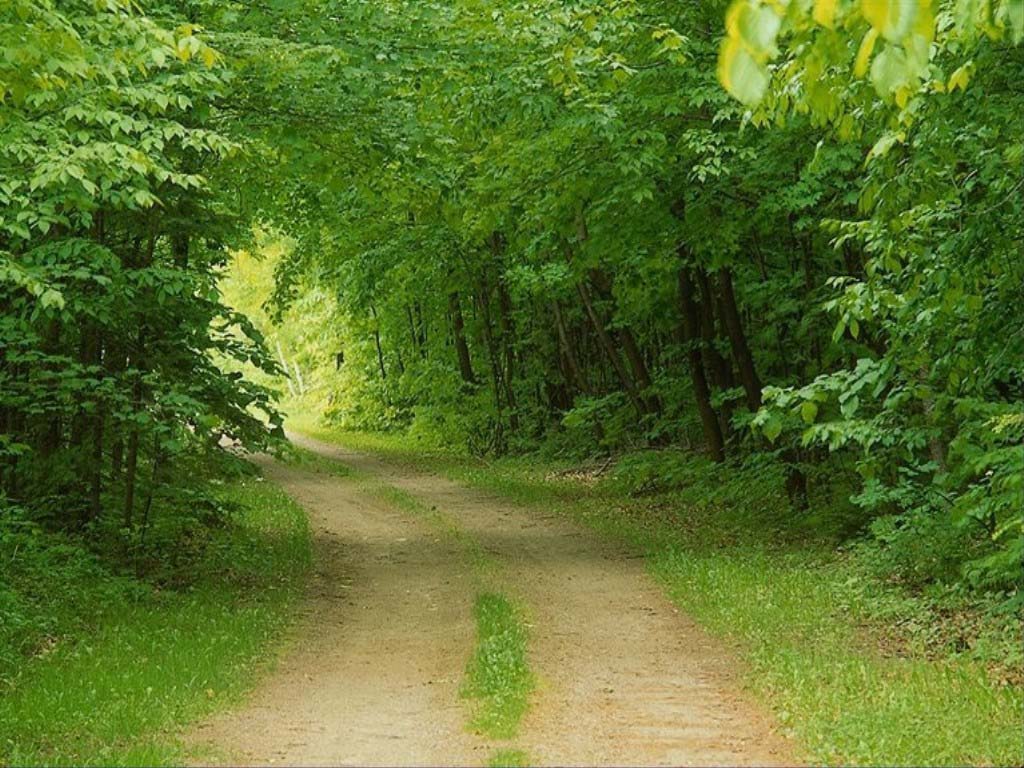
We have neither Summer nor Winter
Neither Autumn nor Spring.
We have instead the days
When the gold sun shines on the lush green canefields-
Magnificently.
The days when the rain beats like bullet on the roofs
And there is no sound but thee swish of water in the gullies
And trees struggling in the high Jamaica winds.
Also there are the days when leaves fade from off guango trees’
And the reaped canefields lie bare and fallow to the sun.
But best of all there are the days when the mango and the logwood blossom
When bushes are full of the sound of bees and the scent of honey,
When the tall grass sways and shivers to the slightest breath of air,
When the buttercups have paved the earth with yellow stars
And beauty comes suddenly and the rains have gone.
Wednesday, 18 March 2015
my morning poem,,,
| MCMXIV Those long uneven lines Standing as patiently As if they were stretched outside The Oval or Villa Park, The crowns of hats, the sun On moustached archaic faces Grinning as if it were all An August Bank Holiday lark; And the shut shops, the bleached Established names on the sunblinds, The farthings and sovereigns, And dark-clothed children at play Called after kings and queens, The tin advertisements For cocoa and twist, and the pubs Wide open all day-- And the countryside not caring: The place names all hazed over With flowering grasses, and fields Shadowing Domesday lines Under wheat's restless silence; The differently-dressed servants With tiny rooms in huge houses, The dust behind limousines; Never such innocence, Never before or since, As changed itself to past Without a word--the men Leaving the gardens tidy, The thousands of marriages, Lasting a little while longer: Never such innocence again. Philip Larkin (1922-1985) |
Tuesday, 17 March 2015
my morning poem,,,
837. O Pug!, by Stevie Smith
To the Brownes' pug dog, on my lap, in their car, coming home from Norfolk.
O Pug, some people do not like you,
But I like you,
Some people say you do not breathe, you snore,
I don't mind,
One person says he is always conscious of your behind,
Is that your fault?
Your own people love you,
All the people in the family that owns you
Love you: Good pug, they cry, Happy pug,
Pug-come-for-a-walk.
You are an old dog now
And in all your life
You have never had cause for a moment's anxiety,
Yet,
In those great eyes of yours,
Those liquid and protuberant orbs,
Lies the shadow of immense insecurity. There
Panic walks.
Yes, yes, I know,
When your mistress is with you,
When your master
Takes you upon his lap,
Just then, for a moment,
Almost you are not frightened.
But at heart you are frightened, you always have been.
O Pug, obstinate old nervous breakdown,
In the midst of so much love,
And such comfort,
Still to feel unsafe and be afraid,
How one's heart goes out to you!
O Pug, some people do not like you,
But I like you,
Some people say you do not breathe, you snore,
I don't mind,
One person says he is always conscious of your behind,
Is that your fault?
Your own people love you,
All the people in the family that owns you
Love you: Good pug, they cry, Happy pug,
Pug-come-for-a-walk.
You are an old dog now
And in all your life
You have never had cause for a moment's anxiety,
Yet,
In those great eyes of yours,
Those liquid and protuberant orbs,
Lies the shadow of immense insecurity. There
Panic walks.
Yes, yes, I know,
When your mistress is with you,
When your master
Takes you upon his lap,
Just then, for a moment,
Almost you are not frightened.
But at heart you are frightened, you always have been.
O Pug, obstinate old nervous breakdown,
In the midst of so much love,
And such comfort,
Still to feel unsafe and be afraid,
How one's heart goes out to you!
Monday, 16 March 2015
my morning poem,,,
The Secret People
Smile at us, pay us, pass us; but do not quite forget,
For we are the people of England, that never has spoken yet.
There is many a fat farmer that drinks less cheerfully,
There is many a free French peasant who is richer and sadder than we.
There are no folk in the whole world so helpless or so wise.
There is hunger in our bellies, there is laughter in our eyes;
You laugh at us and love us, both mugs and eyes are wet:
Only you do not know us. For we have not spoken yet.
The fine French kings came over in a flutter of flags and dames.
We liked their smiles and battles, but we never could say their names.
The blood ran red to Bosworth and the high French lords went down;
There was naught but a naked people under a naked crown.
And the eyes of the King's Servants turned terribly every way,
And the gold of the King's Servants rose higher every day.
They burnt the homes of the shaven men, that had been quaint and kind,
Till there was no bed in a monk's house, nor food that man could find.
The inns of God where no man paid, that were the wall of the weak,
The King's Servants ate them all. And still we did not speak.
And the face of the King's Servants grew greater than the King:
He tricked them, and they trapped him, and stood round him in a ring.
The new grave lords closed round him, that had eaten the abbey's fruits,
And the men of the new religion, with their Bibles in their boots,
We saw their shoulders moving, to menace or discuss,
And some were pure and some were vile; but none took heed of us.
We saw the King as they killed him, and his face was proud and pale;
And a few men talked of freedom, while England talked of ale.
A war that we understood not came over the world and woke
Americans, Frenchmen, Irish; but we knew not the things they spoke.
They talked about rights and nature and peace and the people's reign:
And the squires, our masters, bade us fight; and never scorned us again.
Weak if we be for ever, could none condemn us then;
Men called us serfs and drudges; men knew that we were men.
In foam and flame at Trafalgar, on Albuera plains,
We did and died like lions, to keep ourselves in chains,
We lay in living ruins; firing and fearing not
The strange fierce face of the Frenchman who knew for what he fought,
And the man who seemed to be more than man we strained against and broke;
And we broke our own rights with him. And still we never spoke.
Our path of glory ended; we never heard guns again.
But the squire seemed struck in the saddle; he was foolish, as if in pain.
He leaned on a staggering lawyer, he clutched a cringing Jew,
He was stricken; it may be, after all, he was stricken at Waterloo.
Or perhaps the shades of the shaven men, whose spoil is in his house,
Come back in shining shapes at last to spoil his last carouse:
We only know the last sad squires ride slowly towards the sea,
And a new people takes the land: and still it is not we.
They have given us into the hands of the new unhappy lords,
Lords without anger and honour, who dare not carry their swords.
They fight by shuffling papers; they have bright dead alien eyes;
They look at our labour and laughter as a tired man looks at flies.
And the load of their loveless pity is worse than the ancient wrongs,
Their doors are shut in the evenings; and they know no songs.
We hear men speaking for us of new laws strong and sweet,
Yet is there no man speaketh as we speak in the street.
It may be we shall rise the last as Frenchmen rose the first,
Our wrath come after Russia's wrath and our wrath be the worst.
It may be we are meant to mark with our riot and our rest
God's scorn for all men governing. It may be beer is best.
But we are the people of England; and we have not spoken yet.
Smile at us, pay us, pass us. But do not quite forget.
G.K. CHESTERTON
The Secret People
Smile at us, pay us, pass us; but do not quite forget,
For we are the people of England, that never has spoken yet.
There is many a fat farmer that drinks less cheerfully,
There is many a free French peasant who is richer and sadder than we.
There are no folk in the whole world so helpless or so wise.
There is hunger in our bellies, there is laughter in our eyes;
You laugh at us and love us, both mugs and eyes are wet:
Only you do not know us. For we have not spoken yet.
The fine French kings came over in a flutter of flags and dames.
We liked their smiles and battles, but we never could say their names.
The blood ran red to Bosworth and the high French lords went down;
There was naught but a naked people under a naked crown.
And the eyes of the King's Servants turned terribly every way,
And the gold of the King's Servants rose higher every day.
They burnt the homes of the shaven men, that had been quaint and kind,
Till there was no bed in a monk's house, nor food that man could find.
The inns of God where no man paid, that were the wall of the weak,
The King's Servants ate them all. And still we did not speak.
And the face of the King's Servants grew greater than the King:
He tricked them, and they trapped him, and stood round him in a ring.
The new grave lords closed round him, that had eaten the abbey's fruits,
And the men of the new religion, with their Bibles in their boots,
We saw their shoulders moving, to menace or discuss,
And some were pure and some were vile; but none took heed of us.
We saw the King as they killed him, and his face was proud and pale;
And a few men talked of freedom, while England talked of ale.
A war that we understood not came over the world and woke
Americans, Frenchmen, Irish; but we knew not the things they spoke.
They talked about rights and nature and peace and the people's reign:
And the squires, our masters, bade us fight; and never scorned us again.
Weak if we be for ever, could none condemn us then;
Men called us serfs and drudges; men knew that we were men.
In foam and flame at Trafalgar, on Albuera plains,
We did and died like lions, to keep ourselves in chains,
We lay in living ruins; firing and fearing not
The strange fierce face of the Frenchman who knew for what he fought,
And the man who seemed to be more than man we strained against and broke;
And we broke our own rights with him. And still we never spoke.
Our path of glory ended; we never heard guns again.
But the squire seemed struck in the saddle; he was foolish, as if in pain.
He leaned on a staggering lawyer, he clutched a cringing Jew,
He was stricken; it may be, after all, he was stricken at Waterloo.
Or perhaps the shades of the shaven men, whose spoil is in his house,
Come back in shining shapes at last to spoil his last carouse:
We only know the last sad squires ride slowly towards the sea,
And a new people takes the land: and still it is not we.
They have given us into the hands of the new unhappy lords,
Lords without anger and honour, who dare not carry their swords.
They fight by shuffling papers; they have bright dead alien eyes;
They look at our labour and laughter as a tired man looks at flies.
And the load of their loveless pity is worse than the ancient wrongs,
Their doors are shut in the evenings; and they know no songs.
We hear men speaking for us of new laws strong and sweet,
Yet is there no man speaketh as we speak in the street.
It may be we shall rise the last as Frenchmen rose the first,
Our wrath come after Russia's wrath and our wrath be the worst.
It may be we are meant to mark with our riot and our rest
God's scorn for all men governing. It may be beer is best.
But we are the people of England; and we have not spoken yet.
Smile at us, pay us, pass us. But do not quite forget.
G.K. CHESTERTON
Saturday, 14 March 2015
my morning poem,,,
The Discovery of the Pacific
They lean against the cooling car, backs pressed
Upon the dusts of a brown continent,
And watch the sun, now Westward of their West,
Fall to the ocean. Where it led they went.
Kansas to California. Day by day
They travelled emptier of the things they knew.
They improvised new habits on the way,
But lost the occasions, and then lost them too.
One night, no-one and nowhere, she had woken
To resin-smell and to the firs' slight sound,
And through their sleeping-bag had felt the broken
Tight-knotted surfaces of the naked ground.
Only his lean quiet body cupping hers
Kept her from it, the extreme chill. By degrees
She fell asleep. Around them in the firs
The wind probed, tiding through forked estuaries.
And now their skin is caked with road, the grime
Merely reflecting sunlight as it fails.
They leave their clothes among the rocks they climb,
Blunt leaves of iceplant nuzzle at their soles.
Now they stand chin-deep in the sway of ocean,
Firm West, two stringy bodies face to face,
And come, together, in the water's motion,
The full caught pause of their embrace.
-- Thom Gunn
The Discovery of the Pacific
They lean against the cooling car, backs pressed
Upon the dusts of a brown continent,
And watch the sun, now Westward of their West,
Fall to the ocean. Where it led they went.
Kansas to California. Day by day
They travelled emptier of the things they knew.
They improvised new habits on the way,
But lost the occasions, and then lost them too.
One night, no-one and nowhere, she had woken
To resin-smell and to the firs' slight sound,
And through their sleeping-bag had felt the broken
Tight-knotted surfaces of the naked ground.
Only his lean quiet body cupping hers
Kept her from it, the extreme chill. By degrees
She fell asleep. Around them in the firs
The wind probed, tiding through forked estuaries.
And now their skin is caked with road, the grime
Merely reflecting sunlight as it fails.
They leave their clothes among the rocks they climb,
Blunt leaves of iceplant nuzzle at their soles.
Now they stand chin-deep in the sway of ocean,
Firm West, two stringy bodies face to face,
And come, together, in the water's motion,
The full caught pause of their embrace.
-- Thom Gunn
Friday, 13 March 2015
my morning poem,,,
“A Litany for Survival
― Audre Lorde, The Black Unicorn: Poems
“A Litany for Survival
For those of us who live at the shoreline
standing upon the constant edges of decision
crucial and alone
for those of us who cannot indulge
the passing dreams of choice
who love in doorways coming and going
in the hours between dawns
looking inward and outward
at once before and after
seeking a now that can breed
futures
like bread in our children's mouths
so their dreams will not reflect
the death of ours:
For those of us
who were imprinted with fear
like a faint line in the center of our foreheads
learning to be afraid with our mother's milk
for by this weapon
this illusion of some safety to be found
the heavy-footed hoped to silence us
For all of us
this instant and this triumph
We were never meant to survive.
And when the sun rises we are afraid
it might not remain
when the sun sets we are afraid
it might not rise in the morning
when our stomachs are full we are afraid
of indigestion
when our stomachs are empty we are afraid
we may never eat again
when we are loved we are afraid
love will vanish
when we are alone we are afraid
love will never return
and when we speak we are afraid
our words will not be heard
nor welcomed
but when we are silent
we are still afraid
So it is better to speak
remembering
we were never meant to survive.”
― Audre Lorde, The Black Unicorn: Poems
Thursday, 12 March 2015
my morning poem,,,
Seamus Heaney poem chosen as Ireland's best-loved,
and a worthy winner too,
a poem that tells of a memory from his youth,
i am sure we can all lay claim to moments like this, and we all have our own memories,
only it is sometimes too late to realise, what we had ,
always we wish to claim back the years,
seamus put it quite well in the words written, and forever encased in books for future generations to , take a step back to a time of simplicity.
and a worthy winner too,
a poem that tells of a memory from his youth,
i am sure we can all lay claim to moments like this, and we all have our own memories,
only it is sometimes too late to realise, what we had ,
always we wish to claim back the years,
seamus put it quite well in the words written, and forever encased in books for future generations to , take a step back to a time of simplicity.
This poem is taken from Clearences, a sonnet sequence which he published in 1987 on his mother’s death.
When all the others were away at Mass
In Memoriam M.K.H., 1911-1984
When all the others were away at Mass
I was all hers as we peeled potatoes.
They broke the silence, let fall one by one
Like solder weeping off the soldering iron:
Cold comforts set between us, things to share
Gleaming in a bucket of clean water.
And again let fall. Little pleasant splashes
From each other’s work would bring us to our senses.
So while the parish priest at her bedside
Went hammer and tongs at the prayers for the dying
And some were responding and some crying
I remembered her head bent towards my head,
Her breath in mine, our fluent dipping knives –
Never closer the whole rest of our lives
I was all hers as we peeled potatoes.
They broke the silence, let fall one by one
Like solder weeping off the soldering iron:
Cold comforts set between us, things to share
Gleaming in a bucket of clean water.
And again let fall. Little pleasant splashes
From each other’s work would bring us to our senses.
So while the parish priest at her bedside
Went hammer and tongs at the prayers for the dying
And some were responding and some crying
I remembered her head bent towards my head,
Her breath in mine, our fluent dipping knives –
Never closer the whole rest of our lives
Wednesday, 11 March 2015
my morning poem,,,
Game After Supper
by Margaret Atwood
This is before electricity,
it is when there were porches.
On the sagging porch an old man
is rocking. The porch is wooden,
the house is wooden and grey;
in the living room which smells of
smoke and mildew, soon
the woman will light the kerosene lamp.
There is a barn but I am not in the barn;
there is an orchard too, gone bad,
its apples like soft cork
but I am not there either.
I am hiding in the long grass
with my two dead cousins,
the membrane grown already
across their throats.
We hear crickets and our own hearts
close to our ears;
though we giggle, we are afraid.
From the shadows around
the corner of the house
a tall man is coming to find us:
He will be an uncle,
if we are lucky.
Game After Supper
by Margaret Atwood
This is before electricity,
it is when there were porches.
On the sagging porch an old man
is rocking. The porch is wooden,
the house is wooden and grey;
in the living room which smells of
smoke and mildew, soon
the woman will light the kerosene lamp.
There is a barn but I am not in the barn;
there is an orchard too, gone bad,
its apples like soft cork
but I am not there either.
I am hiding in the long grass
with my two dead cousins,
the membrane grown already
across their throats.
We hear crickets and our own hearts
close to our ears;
though we giggle, we are afraid.
From the shadows around
the corner of the house
a tall man is coming to find us:
He will be an uncle,
if we are lucky.
Tuesday, 10 March 2015
another poem by bernard spencer.
Delicate grasses blowing in the wind,
grass out of cracks among tiered seats of stone
where a Greek theatre swarmed with audience,
till Time's door shut upon
the stir, the eloquence.
*******************************
A hawk waiting above the enormous plain,
lying upon the nothing of the air,
a hawk who turns at some sky-wave or lull
this way, and after there
as dial needles prowl.
*************************************
Cool water jetting from a drinking fountain
in crag-lands, miles from any peopled spot,
year upon year with its indifferent flow;
sound that is and is not;
the wet stone trodden low.
****************************************** There is no name for such strong liberation;
I drift their way; I need what their world lends;
then, chilled by one thought further still than those,
I swerve towards life and friends
before the trap-fangs close.
Delicate Grasses.
***************************************Delicate grasses blowing in the wind,
grass out of cracks among tiered seats of stone
where a Greek theatre swarmed with audience,
till Time's door shut upon
the stir, the eloquence.
*******************************
A hawk waiting above the enormous plain,
lying upon the nothing of the air,
a hawk who turns at some sky-wave or lull
this way, and after there
as dial needles prowl.
*************************************
Cool water jetting from a drinking fountain
in crag-lands, miles from any peopled spot,
year upon year with its indifferent flow;
sound that is and is not;
the wet stone trodden low.
****************************************** There is no name for such strong liberation;
I drift their way; I need what their world lends;
then, chilled by one thought further still than those,
I swerve towards life and friends
before the trap-fangs close.
my morning poem,,,
And pours in water and presses to one side
The upright stems and leaves that you hear creak,
Or loosens them, or holds them up to show me,
So that I see the tangle of their necks and cups
With the curls of her hair, and the body they are held
Against, and the stalk of the small waist rising
And flowering in the shape of breasts;
*********************************************** Whether in the bringing of the flowers or of the food
She offers plenty, and is part of plenty,
And whether I see her stooping, or leaning with the flowers,
What she does is ages old, and she is not simply,
No, but lovely in that way.
bernard spencer
Part of Plenty.
*********************************************
When she carries food to the table and stoops down
--Doing this out of love--and lays soup with its good
Tickling smell, or fry winking from the fire
And I look up, perhaps from a book I am reading
Or other work: there is an importance of beauty
Which can't be accounted for by there and then,
And attacks me, but not separately from the welcome
Of the food, or the grace of her arms.
****************************************** When she puts a sheaf of tulips in a jug--Doing this out of love--and lays soup with its good
Tickling smell, or fry winking from the fire
And I look up, perhaps from a book I am reading
Or other work: there is an importance of beauty
Which can't be accounted for by there and then,
And attacks me, but not separately from the welcome
Of the food, or the grace of her arms.
And pours in water and presses to one side
The upright stems and leaves that you hear creak,
Or loosens them, or holds them up to show me,
So that I see the tangle of their necks and cups
With the curls of her hair, and the body they are held
Against, and the stalk of the small waist rising
And flowering in the shape of breasts;
*********************************************** Whether in the bringing of the flowers or of the food
She offers plenty, and is part of plenty,
And whether I see her stooping, or leaning with the flowers,
What she does is ages old, and she is not simply,
No, but lovely in that way.
bernard spencer
Monday, 9 March 2015
my morning poem,,,
Disabled
He sat in a wheeled chair, waiting for dark,
And shivered in his ghastly suit of grey,
Legless, sewn short at elbow. Through the park
Voices of boys rang saddening like a hymn,
Voices of play and pleasure after day,
Till gathering sleep had mothered them from him.
About this time Town used to swing so gay
When glow-lamps budded in the light blue trees,
And girls glanced lovelier as the air grew dim,-
In the old times, before he threw away his knees.
Now he will never feel again how slim
Girls' waists are, or how warm their subtle hands.
All of them touch him like some queer disease.
There was an artist silly for his face,
For it was younger than his youth, last year.
Now, he is old; his back will never brace;
He's lost his colour very far from here,
Poured it down shell-holes till the veins ran dry,
And half his lifetime lapsed in the hot race
And leap of purple spurted from his thigh.
One time he liked a blood-smear down his leg,
After the matches, carried shoulder-high.
It was after football, when he'd drunk a peg,
He thought he'd better join. - He wonders why.
Someone had said he'd look a god in kilts,
That's why; and maybe, too, to please his Meg,
Aye, that was it, to please the giddy jilts
He asked to join. He didn't have to beg;
Smiling they wrote his lie: aged nineteen years.
Germans he scarcely thought of; all their guilt,
And Austria's, did not move him. And no fears
Of Fear came yet. He thought of jewelled hilts
For daggers in plaid socks; of smart salutes;
And care of arms; and leave; and pay arrears;
Esprit de corps; and hints for young recruits.
And soon, he was drafted out with drums and cheers.
Some cheered him home, but not as crowds cheer Goal.
Only a solemn man who brought him fruits
Thanked him; and then enquired about his soul.
Now, he will spend a few sick years in institutes,
And do what things the rules consider wise,
And take whatever pity they may dole.
Tonight he noticed how the women's eyes
Passed from him to the strong men that were whole.
How cold and late it is! Why don't they come
And put him into bed? Why don't they come?
Wilfred Owen
Disabled
He sat in a wheeled chair, waiting for dark,
And shivered in his ghastly suit of grey,
Legless, sewn short at elbow. Through the park
Voices of boys rang saddening like a hymn,
Voices of play and pleasure after day,
Till gathering sleep had mothered them from him.
About this time Town used to swing so gay
When glow-lamps budded in the light blue trees,
And girls glanced lovelier as the air grew dim,-
In the old times, before he threw away his knees.
Now he will never feel again how slim
Girls' waists are, or how warm their subtle hands.
All of them touch him like some queer disease.
There was an artist silly for his face,
For it was younger than his youth, last year.
Now, he is old; his back will never brace;
He's lost his colour very far from here,
Poured it down shell-holes till the veins ran dry,
And half his lifetime lapsed in the hot race
And leap of purple spurted from his thigh.
One time he liked a blood-smear down his leg,
After the matches, carried shoulder-high.
It was after football, when he'd drunk a peg,
He thought he'd better join. - He wonders why.
Someone had said he'd look a god in kilts,
That's why; and maybe, too, to please his Meg,
Aye, that was it, to please the giddy jilts
He asked to join. He didn't have to beg;
Smiling they wrote his lie: aged nineteen years.
Germans he scarcely thought of; all their guilt,
And Austria's, did not move him. And no fears
Of Fear came yet. He thought of jewelled hilts
For daggers in plaid socks; of smart salutes;
And care of arms; and leave; and pay arrears;
Esprit de corps; and hints for young recruits.
And soon, he was drafted out with drums and cheers.
Some cheered him home, but not as crowds cheer Goal.
Only a solemn man who brought him fruits
Thanked him; and then enquired about his soul.
Now, he will spend a few sick years in institutes,
And do what things the rules consider wise,
And take whatever pity they may dole.
Tonight he noticed how the women's eyes
Passed from him to the strong men that were whole.
How cold and late it is! Why don't they come
And put him into bed? Why don't they come?
Wilfred Owen
Sunday, 8 March 2015
my morning poem,,,
my morning poem,,,
i see his blood upon a rose.
I see His Blood Upon the Rose
I see his blood upon the rose
And in the stars the glory of his eyes,
His body gleams amid eternal snows,
His tears fall from the skies.
I see his face in every flower;
The thunder and the singing of the birds
Are but his voice—and carven by his power
Rocks are his written words.
All pathways by his feet are worn,
His strong heart stirs the ever-beating sea,
His crown of thorns is twined with every thorn,
His cross is every tree.
Joseph Mary Plunkett
my morning poem,,,
i see his blood upon a rose.
I see His Blood Upon the Rose
I see his blood upon the rose
And in the stars the glory of his eyes,
His body gleams amid eternal snows,
His tears fall from the skies.
I see his face in every flower;
The thunder and the singing of the birds
Are but his voice—and carven by his power
Rocks are his written words.
All pathways by his feet are worn,
His strong heart stirs the ever-beating sea,
His crown of thorns is twined with every thorn,
His cross is every tree.
Joseph Mary Plunkett
Friday, 6 March 2015
my morning poem,,,
dont go far off
Don't go far off, not even for a day, because --
because -- I don't know how to say it: a day is long
and I will be waiting for you, as in an empty station
when the trains are parked off somewhere else, asleep.
Don't leave me, even for an hour, because
then the little drops of anguish will all run together,
the smoke that roams looking for a home will drift
into me, choking my lost heart.
Oh, may your silhouette never dissolve on the beach;
may your eyelids never flutter into the empty distance.
Don't leave me for a second, my dearest,
because in that moment you'll have gone so far
I'll wander mazily over all the earth, asking,
Will you come back? Will you leave me here, dying?
Pablo Neruda
dont go far off
Don't go far off, not even for a day, because --
because -- I don't know how to say it: a day is long
and I will be waiting for you, as in an empty station
when the trains are parked off somewhere else, asleep.
Don't leave me, even for an hour, because
then the little drops of anguish will all run together,
the smoke that roams looking for a home will drift
into me, choking my lost heart.
Oh, may your silhouette never dissolve on the beach;
may your eyelids never flutter into the empty distance.
Don't leave me for a second, my dearest,
because in that moment you'll have gone so far
I'll wander mazily over all the earth, asking,
Will you come back? Will you leave me here, dying?
Pablo Neruda
Wednesday, 4 March 2015
my morning poem,
or 2 today related,,,
or 2 today related,,,
1
little black boy,
My mother bore me in the southern wild,
And I am black, but oh my soul is white!
White as an angel is the English child,
But I am black, as if bereaved of light.
And I am black, but oh my soul is white!
White as an angel is the English child,
But I am black, as if bereaved of light.
My mother taught me underneath a tree,
And, sitting down before the heat of day,
She took me on her lap and kissed me,
And, pointed to the east, began to say:
And, sitting down before the heat of day,
She took me on her lap and kissed me,
And, pointed to the east, began to say:
'Look on the rising sun: there God does live,
And gives His light, and gives His heat away,
And flowers and trees and beasts and men receive
Comfort in morning, joy in the noonday.
And gives His light, and gives His heat away,
And flowers and trees and beasts and men receive
Comfort in morning, joy in the noonday.
'And we are put on earth a little space,
That we may learn to bear the beams of love
And these black bodies and this sunburnt face
Is but a cloud, and like a shady grove.
That we may learn to bear the beams of love
And these black bodies and this sunburnt face
Is but a cloud, and like a shady grove.
'For when our souls have learn'd the heat to bear,
The cloud will vanish, we shall hear His voice,
Saying, 'Come out from the grove, my love and care
And round my golden tent like lambs rejoice','
The cloud will vanish, we shall hear His voice,
Saying, 'Come out from the grove, my love and care
And round my golden tent like lambs rejoice','
Thus did my mother say, and kissed me;
And thus I say to little English boy.
When I from black and he from white cloud free,
And round the tent of God like lambs we joy
And thus I say to little English boy.
When I from black and he from white cloud free,
And round the tent of God like lambs we joy
I'll shade him from the heat till he can bear
To lean in joy upon our Father's knee;
And then I'll stand and stroke his silver hair,
And be like him, and he will then love me.
To lean in joy upon our Father's knee;
And then I'll stand and stroke his silver hair,
And be like him, and he will then love me.
William Blake
2
on reading william blakes little black boy,
Two centuries or even more gone by
Since William Blake wrote 'The little black boy'
He told in verse how black skin equalled white
And in what he wrote of course the poet was right.
Since William Blake wrote 'The little black boy'
He told in verse how black skin equalled white
And in what he wrote of course the poet was right.
He wrote the famous verses at a time
When to be black was looked on as a crime
A lesson in human love perhaps one day
That others might learn from what he had to say.
When to be black was looked on as a crime
A lesson in human love perhaps one day
That others might learn from what he had to say.
His verses put him in a higher place
When he wrote of the equality of race
And in history the great poet made his mark
When he preached that white was no greater than dark.
When he wrote of the equality of race
And in history the great poet made his mark
When he preached that white was no greater than dark.
But even in the twenty first century
Some with the Poet's views still do not agree
Some still say black is not as good as white
But of course these people live in darker light.
Some with the Poet's views still do not agree
Some still say black is not as good as white
But of course these people live in darker light.
A lesson here for all humanity
From bard who lived in eighteenth century
That racial discrimination is unwise
As all different races equal in God's eyes.
From bard who lived in eighteenth century
That racial discrimination is unwise
As all different races equal in God's eyes.
Francis Duggan
Tuesday, 3 March 2015
another poem for the day.
another poem for the day,,,
Self-Portrait as Picture Window
First day of snow, the low sun
glinting on the gate post where a single
Teviot ewe is licking
frost-melt from the bars, the other sheep
away in the lower field, the light on the crusted
meadow grass that makes me think
of unripe plums so local an event
it seems, for one long breath,
that time might stop;
or, better, that it isn’t me at all
who stands here, at this window, gazing out,
not me who woke up late, when everyone
had gone to work or school, but someone else,
a man so like myself that nobody
would spot the difference– same eyes, same mouth –
but gifted with a knowledge I can scarcely
register in words, unless I call it
graceful and nomadic, some lost art
of finding home in sheep trails, lines of flight,
the feel of distance singing in the flesh,
that happiness-as-forage, bedding in,
declining, making sense of what it finds.
glinting on the gate post where a single
Teviot ewe is licking
frost-melt from the bars, the other sheep
away in the lower field, the light on the crusted
meadow grass that makes me think
of unripe plums so local an event
it seems, for one long breath,
that time might stop;
or, better, that it isn’t me at all
who stands here, at this window, gazing out,
not me who woke up late, when everyone
had gone to work or school, but someone else,
a man so like myself that nobody
would spot the difference– same eyes, same mouth –
but gifted with a knowledge I can scarcely
register in words, unless I call it
graceful and nomadic, some lost art
of finding home in sheep trails, lines of flight,
the feel of distance singing in the flesh,
that happiness-as-forage, bedding in,
declining, making sense of what it finds.
john burnside
my morning poem,,,
THE SENTENCE
Perhaps I can make it plain by analogy.
Imagine a machine, not yet assembled,
Each part being quite necessary
To the functioning of the whole: if the job is fumbled
And a vital piece mislaid
The machine is quite valueless,
The workers will not be paid.
It is just the same when constructing a sentence
But here we must be very careful
And lay stress on the extreme importance
Of defining our terms: nothing is as simple
As it seems at first regard.
"Sentence" might well mean to you
The amorous rope or twelve years" hard.
No, by "sentence" we mean, quite simply, words
Put together like the parts of a machine.
Now remember we must have a verb: verbs
Are words of action like Murder, Love, or Sin.
But these might be nouns, depending
On how you use them –
Already the plot is thickening.
Except when the mood is imperative; that is to say
A command is given like Pray, Repent, or Forgive
(Dear me, these lessons get gloomier every day)
Except, as I was saying, when the mood is gloomy –
I mean imperative
We need nouns, or else of course
Pronouns; words like Maid,
Man, Wedding or Divorce.
A sentence must make sense. Sometimes I believe
Our lives are ungrammatical. I guess that some of
you
Have misplaced the direct object: the longer I live
The less certain I feel of anything I do.
But now I begin
To digress. Write down these simple sentences:--
I am sentenced: I love: I murder: I sin.
Perhaps I can make it plain by analogy.
Imagine a machine, not yet assembled,
Each part being quite necessary
To the functioning of the whole: if the job is fumbled
And a vital piece mislaid
The machine is quite valueless,
The workers will not be paid.
It is just the same when constructing a sentence
But here we must be very careful
And lay stress on the extreme importance
Of defining our terms: nothing is as simple
As it seems at first regard.
"Sentence" might well mean to you
The amorous rope or twelve years" hard.
No, by "sentence" we mean, quite simply, words
Put together like the parts of a machine.
Now remember we must have a verb: verbs
Are words of action like Murder, Love, or Sin.
But these might be nouns, depending
On how you use them –
Already the plot is thickening.
Except when the mood is imperative; that is to say
A command is given like Pray, Repent, or Forgive
(Dear me, these lessons get gloomier every day)
Except, as I was saying, when the mood is gloomy –
I mean imperative
We need nouns, or else of course
Pronouns; words like Maid,
Man, Wedding or Divorce.
A sentence must make sense. Sometimes I believe
Our lives are ungrammatical. I guess that some of
you
Have misplaced the direct object: the longer I live
The less certain I feel of anything I do.
But now I begin
To digress. Write down these simple sentences:--
I am sentenced: I love: I murder: I sin.
Monday, 2 March 2015
my morning poem...
Disabled
He sat in a wheeled chair, waiting for dark,
And shivered in his ghastly suit of grey,
Legless, sewn short at elbow. Through the park
Voices of boys rang saddening like a hymn,
Voices of play and pleasure after day,
Till gathering sleep had mothered them from him.
About this time Town used to swing so gay
When glow-lamps budded in the light blue trees,
And girls glanced lovelier as the air grew dim,-
In the old times, before he threw away his knees.
Now he will never feel again how slim
Girls' waists are, or how warm their subtle hands.
All of them touch him like some queer disease.
There was an artist silly for his face,
For it was younger than his youth, last year.
Now, he is old; his back will never brace;
He's lost his colour very far from here,
Poured it down shell-holes till the veins ran dry,
And half his lifetime lapsed in the hot race
And leap of purple spurted from his thigh.
One time he liked a blood-smear down his leg,
After the matches, carried shoulder-high.
It was after football, when he'd drunk a peg,
He thought he'd better join. - He wonders why.
Someone had said he'd look a god in kilts,
That's why; and maybe, too, to please his Meg,
Aye, that was it, to please the giddy jilts
He asked to join. He didn't have to beg;
Smiling they wrote his lie: aged nineteen years.
Germans he scarcely thought of; all their guilt,
And Austria's, did not move him. And no fears
Of Fear came yet. He thought of jewelled hilts
For daggers in plaid socks; of smart salutes;
And care of arms; and leave; and pay arrears;
Esprit de corps; and hints for young recruits.
And soon, he was drafted out with drums and cheers.
Some cheered him home, but not as crowds cheer Goal.
Only a solemn man who brought him fruits
Thanked him; and then enquired about his soul.
Now, he will spend a few sick years in institutes,
And do what things the rules consider wise,
And take whatever pity they may dole.
Tonight he noticed how the women's eyes
Passed from him to the strong men that were whole.
How cold and late it is! Why don't they come
And put him into bed? Why don't they come?
And shivered in his ghastly suit of grey,
Legless, sewn short at elbow. Through the park
Voices of boys rang saddening like a hymn,
Voices of play and pleasure after day,
Till gathering sleep had mothered them from him.
About this time Town used to swing so gay
When glow-lamps budded in the light blue trees,
And girls glanced lovelier as the air grew dim,-
In the old times, before he threw away his knees.
Now he will never feel again how slim
Girls' waists are, or how warm their subtle hands.
All of them touch him like some queer disease.
There was an artist silly for his face,
For it was younger than his youth, last year.
Now, he is old; his back will never brace;
He's lost his colour very far from here,
Poured it down shell-holes till the veins ran dry,
And half his lifetime lapsed in the hot race
And leap of purple spurted from his thigh.
One time he liked a blood-smear down his leg,
After the matches, carried shoulder-high.
It was after football, when he'd drunk a peg,
He thought he'd better join. - He wonders why.
Someone had said he'd look a god in kilts,
That's why; and maybe, too, to please his Meg,
Aye, that was it, to please the giddy jilts
He asked to join. He didn't have to beg;
Smiling they wrote his lie: aged nineteen years.
Germans he scarcely thought of; all their guilt,
And Austria's, did not move him. And no fears
Of Fear came yet. He thought of jewelled hilts
For daggers in plaid socks; of smart salutes;
And care of arms; and leave; and pay arrears;
Esprit de corps; and hints for young recruits.
And soon, he was drafted out with drums and cheers.
Some cheered him home, but not as crowds cheer Goal.
Only a solemn man who brought him fruits
Thanked him; and then enquired about his soul.
Now, he will spend a few sick years in institutes,
And do what things the rules consider wise,
And take whatever pity they may dole.
Tonight he noticed how the women's eyes
Passed from him to the strong men that were whole.
How cold and late it is! Why don't they come
And put him into bed? Why don't they come?
Subscribe to:
Comments (Atom)